Ways to Help Prevent the Toilet From Clogging
Few situations create more anxiety than a clogged toilet and rising water in the bowl. Fortunately, simple, consistent habits reduce the chance of a toilet clog and help fixtures operate smoothly day to day. This overview explains what can and cannot be flushed, how toilet paper usage affects drains, and how issues in the main sewer line contribute to repeat blockages. It also notes when professional drain cleaning or clogged toilet repair becomes the smartest next step.
Be Careful About What Gets Flushed
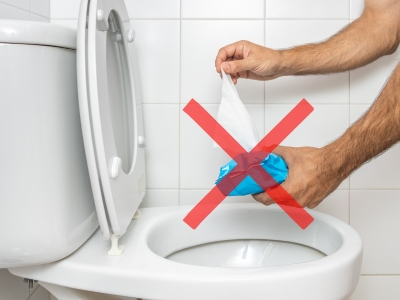 A toilet is not designed to handle general household waste, and keeping non‑flushable items out of the bowl is the fastest way to prevent a clogged toilet. Only human waste and toilet paper belong in the drain. Many bathroom items seem harmless but remain intact long after flushing, where they can snag inside bends, rough pipe joints, or older fittings.
Paper towels and facial tissues are made to stay strong when wet and do not disintegrate like toilet paper. Wipes— including those marketed as “flushable”—along with cotton swabs, dental floss, and feminine hygiene products can bind together and form dense obstructions. Once caught in a trapway or along sewer pipes, these materials collect additional debris and escalate into a stubborn toilet clog that a plunger may not clear.
A small trash bin near the toilet encourages proper disposal and reduces accidental flushing of problem items. Households with guests or young children benefit from a simple reminder about what belongs in the trash. If blockages continue despite good habits, a professional inspection can determine whether buildup deeper in the line is contributing to the issue and whether targeted drain cleaning is warranted.
Use Less Toilet Paper
 Toilet paper is essential, yet excessive use commonly triggers clogs. Large wads absorb water, expand, and are more likely to lodge in the trap or the first few feet of pipe. Folding paper into a flat pad rather than wadding creates less bulk and moves more easily through the drain path. When usage is higher than normal, a mid‑flush can break the volume into manageable portions and reduce the chance of a blockage.
Product choice plays a role. Ultra‑thick or heavily quilted toilet paper tends to break down more slowly, which may increase the risk of a toilet clog in systems with low‑flow fixtures or older piping. Moderating usage, selecting quick‑dissolving options, and flushing in stages during heavier use all help the drain carry material away efficiently.
Persistent slow flushes, recurring partial clears, or backups that return after plunging suggest a downstream restriction. Mineral scale, small intrusions, or early signs of a clogged sewer line can cause even normal amounts of paper to hang up. In these cases, drain cleaning with the appropriate tools restores smoother flow and helps prevent repeat blockages.
Prevent Sewer Line Clogs
Sometimes the fixture is not the root cause—obstructions in the main sewer line can send waste back toward fixtures throughout a property. A sewer line clog or partial narrowing forces multiple drains to gurgle, back up, or drain slowly. Common contributors include tree roots seeking moisture, grease that solidifies, debris accumulation, and aging sewer pipes with rough interiors that catch solids more easily.
Prevention focuses on smart habits and periodic evaluation. Keeping grease out of sinks, disposing of wipes and hygiene items in the trash, and avoiding heavy landscaping over buried lines all reduce risk. For properties with mature trees or older piping, occasional camera inspections can spot early warnings of a sewer line clog, root intrusion, or sagging sections before a complete stoppage occurs.
When repeated backups affect more than one fixture, professional diagnostics are essential. Specialists can confirm the presence of a clogged sewer line, pinpoint the blockage, and select the right method—such as augering or hydro‑jetting—to clear the sewer line safely. If deterioration is extensive, strategic repair or partial replacement may be recommended to prevent future failures and protect interiors from wastewater overflows. Restoring full capacity in the sewer line supports reliable flushing and minimizes the chance of a new toilet clog.
About City Plumbing
City Plumbing is a respected plumbing company in Midland, TX, that has been in business for over 50 years. They provide straightforward pricing and on-time service from trusted technicians. Call them today for expert clogged toilet repair in Midland, TX.